

In Pursuit of Time
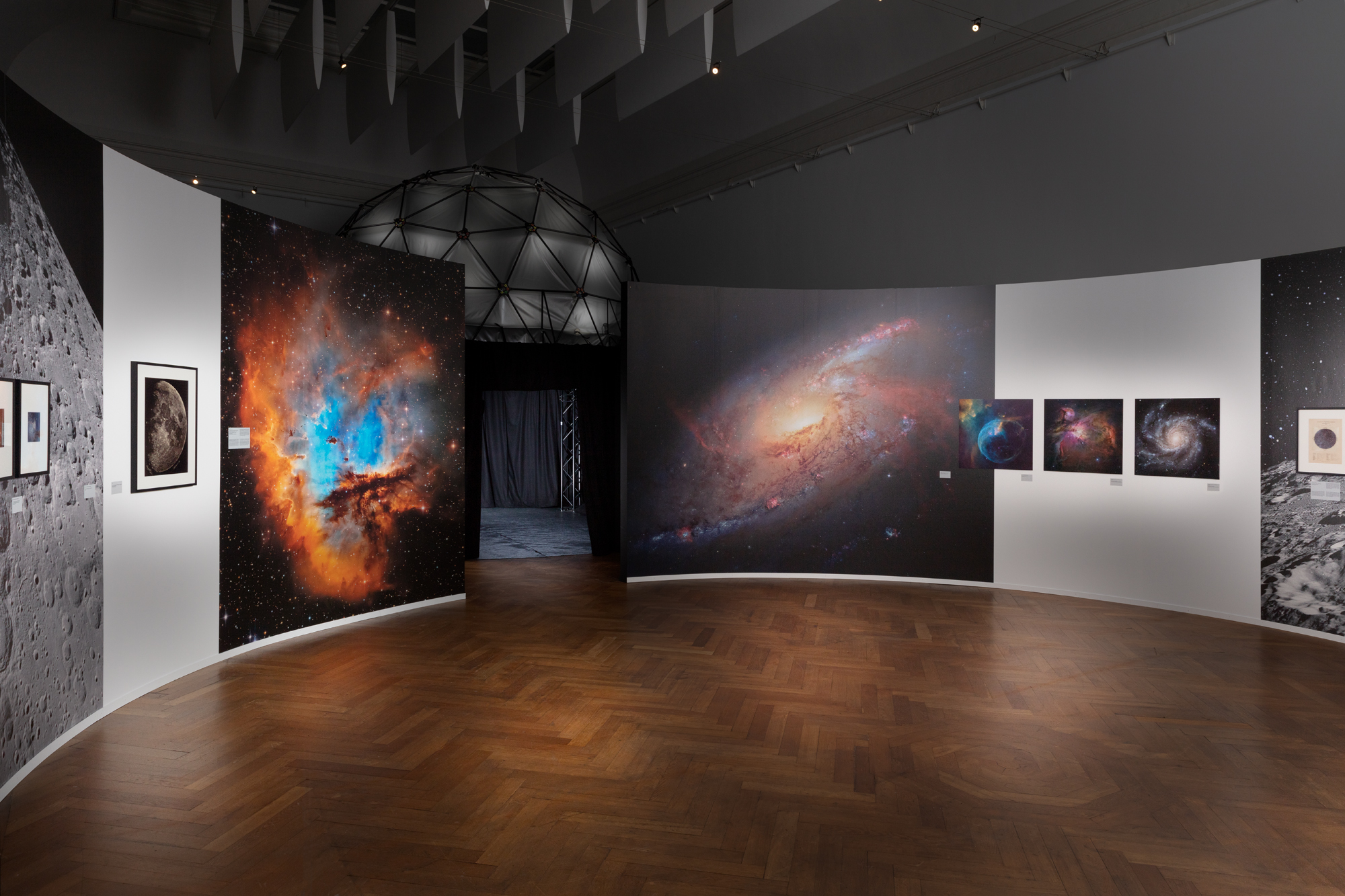
The sky, in all its vastness, beauty and complexity, fills us with a sense of wonder. For thousands of years, it has enables humanity to measure time and explore the Earth, both on land and at sea.

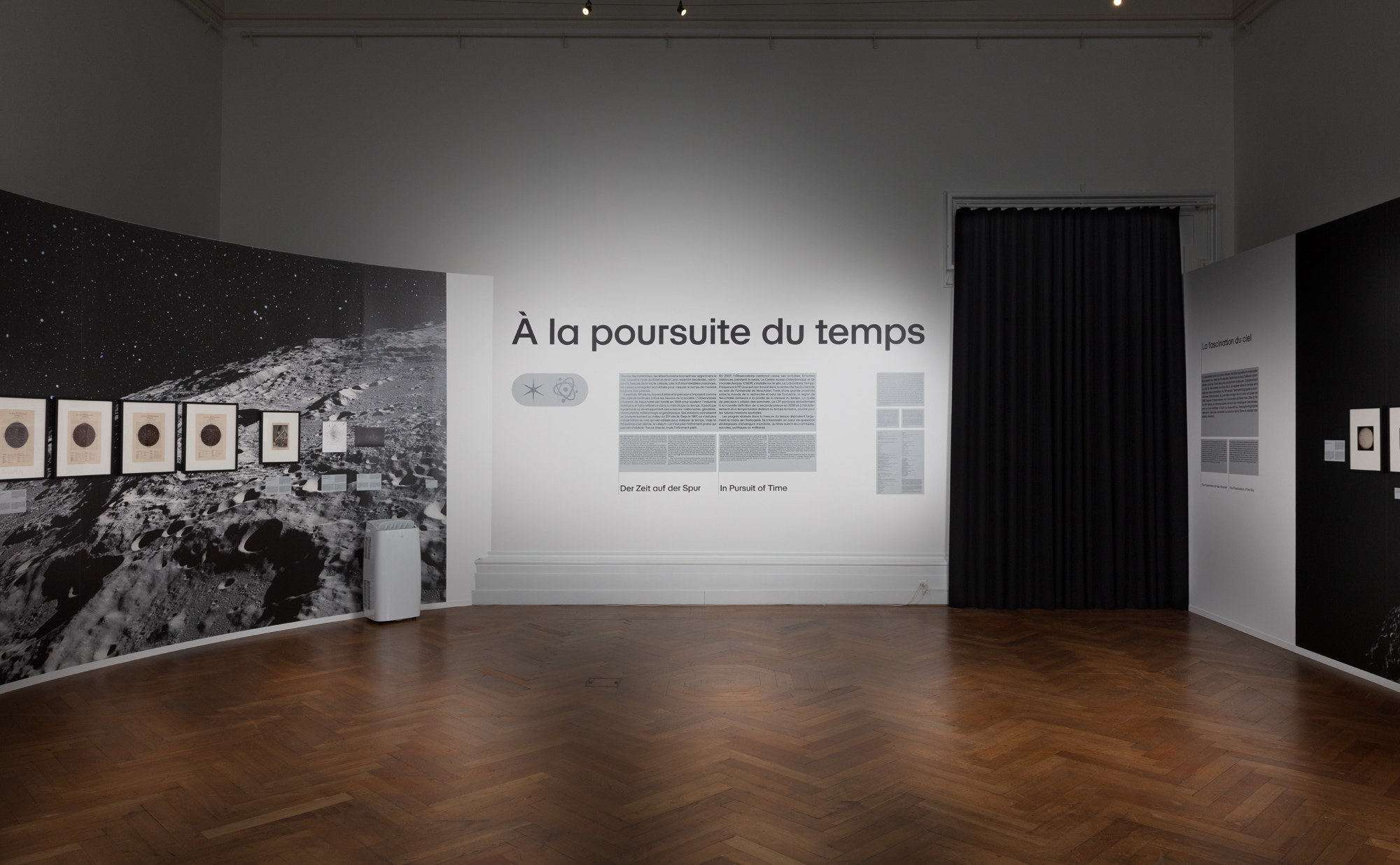
The exhibition at the Museum of Art and History delves into the universal human experience of skywatching and maps the evolution of celestial navigation instruments over the centuries. It also examines the adoption of timekeeping practices by the worlds of work, transport and sport, as well as the role that Neuchâtel has played in the measurement of time since the founding of the Cantonal Observatory in 1858.
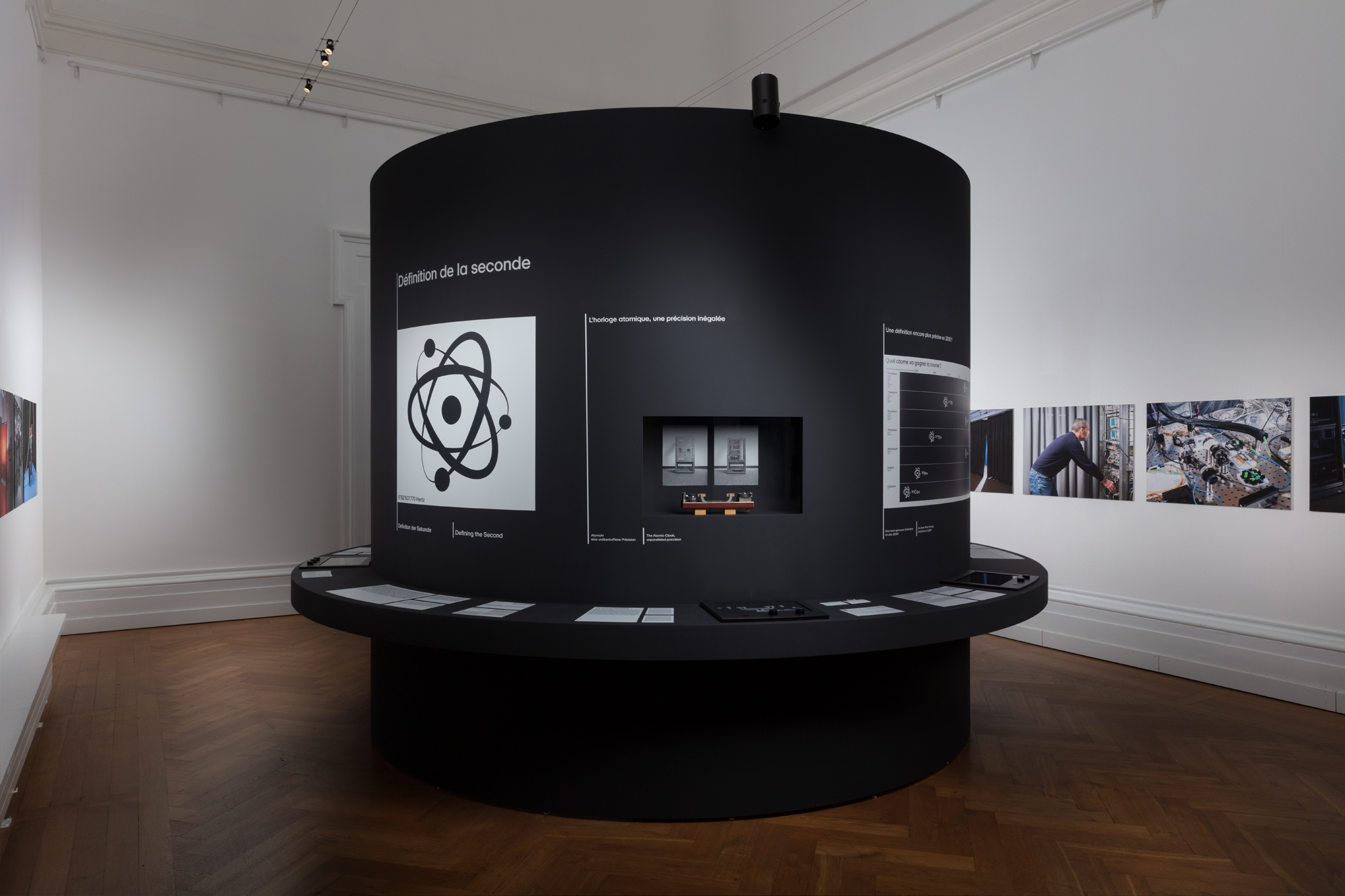
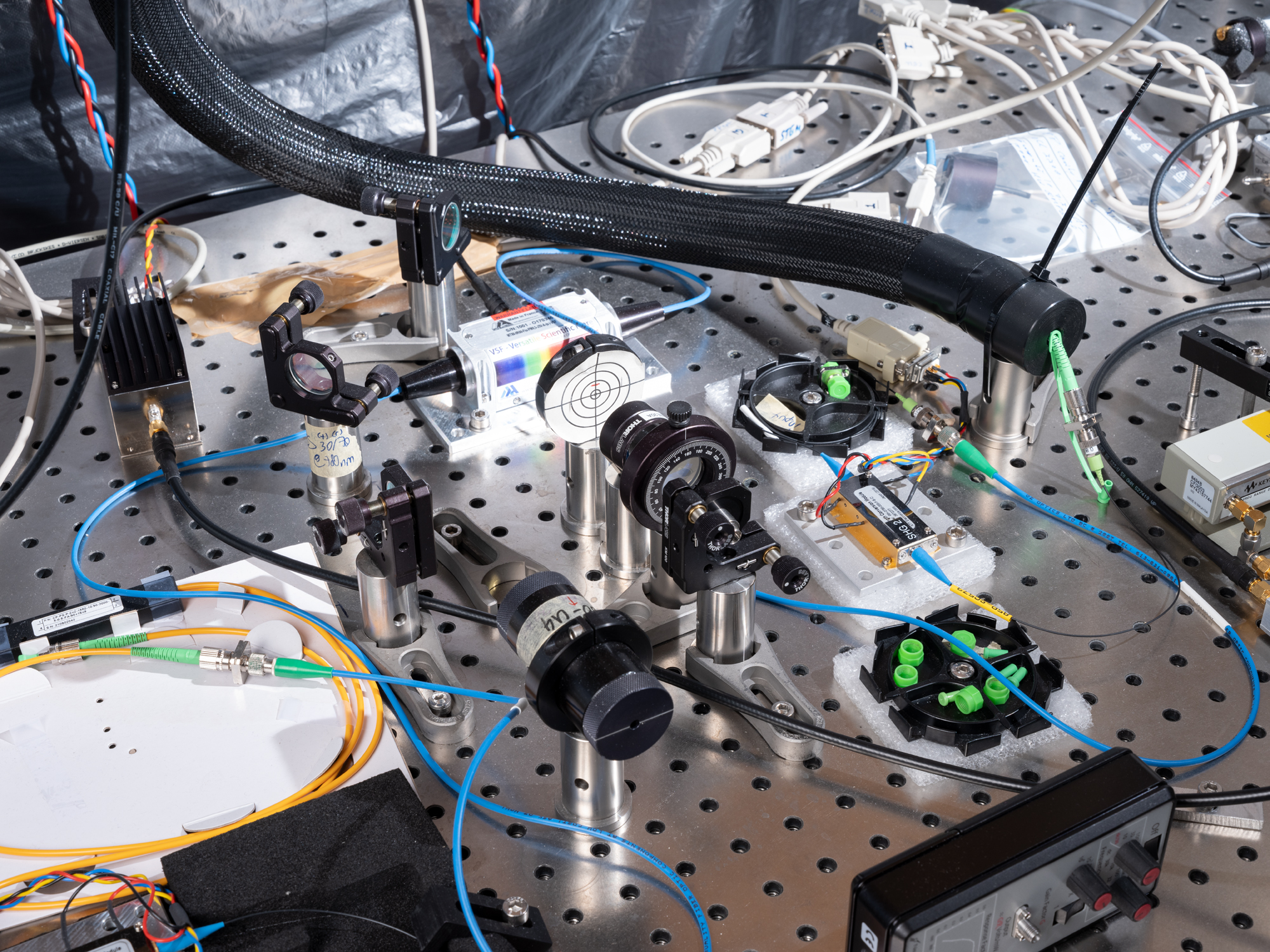
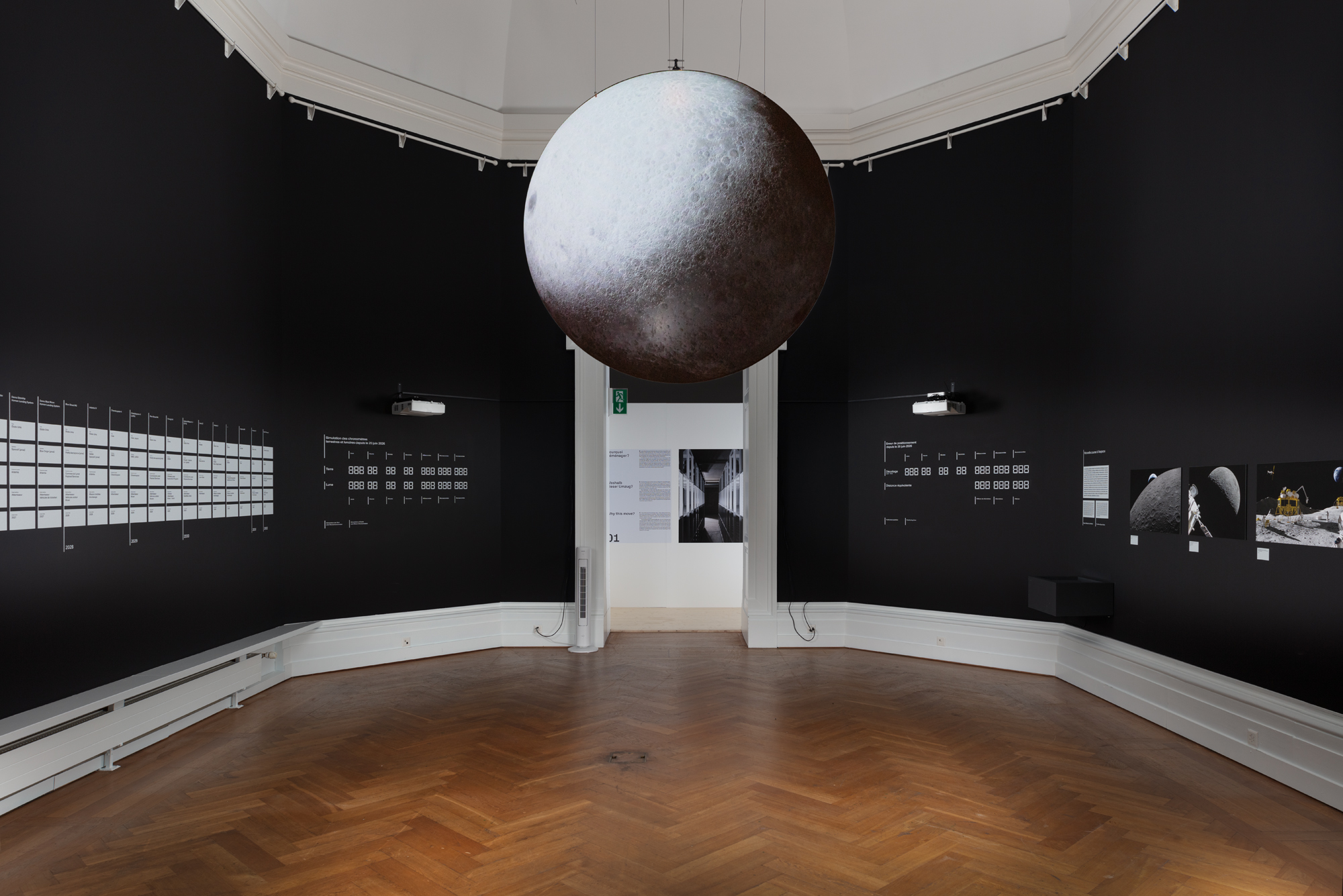
Thanks to the development of atomic clocks, Neuchâtel is making quantum leaps in its quest for precision. Today, it is no longer the infinitely large that allows us to accurately measure time, but the infinitely small. The exhibition also highlights the challenges arising from the planned redefinition of the second in 2030 and the establishment of a separate time zone for the moon, which will be vitally important for future space missions.
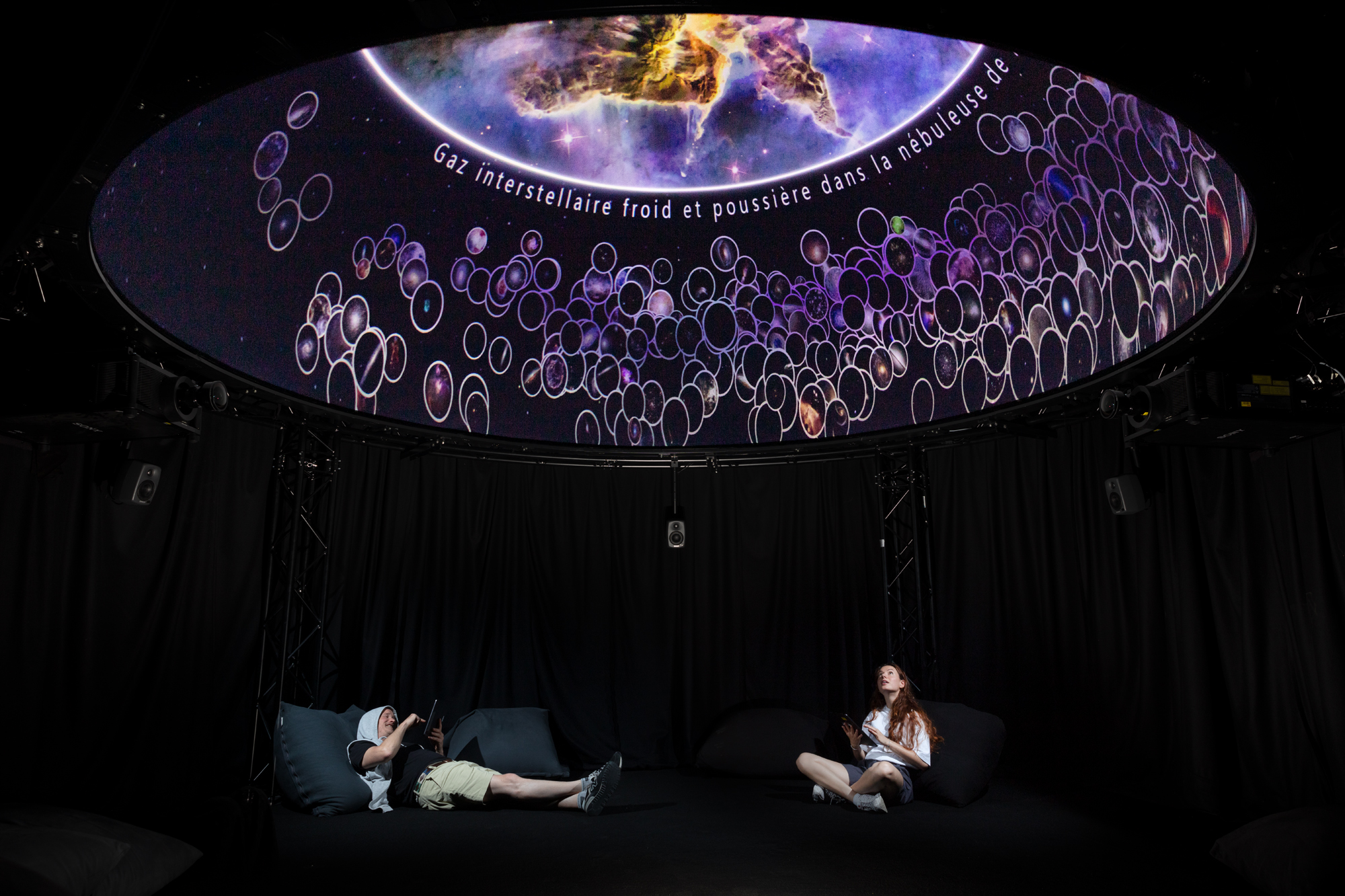
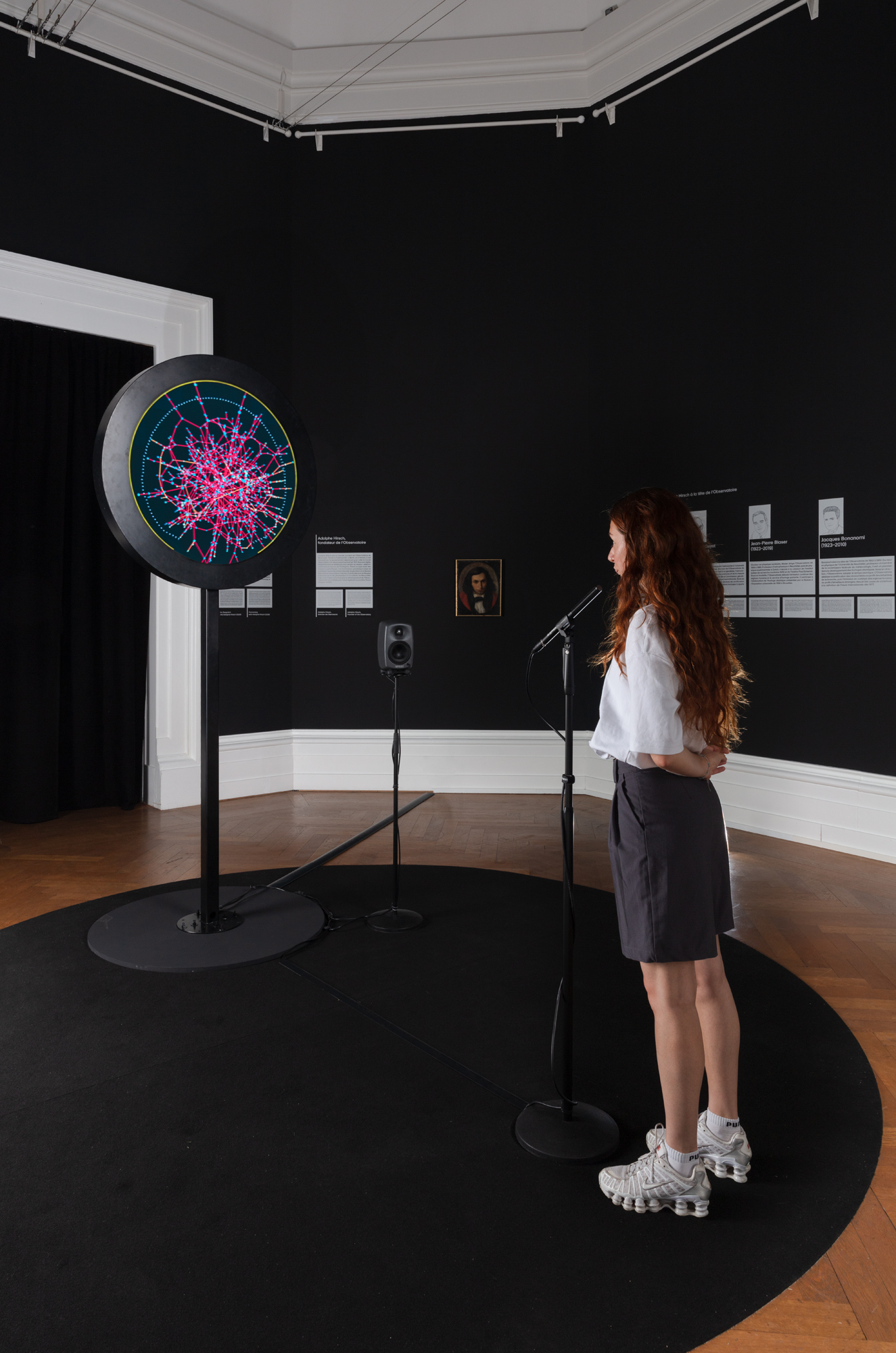
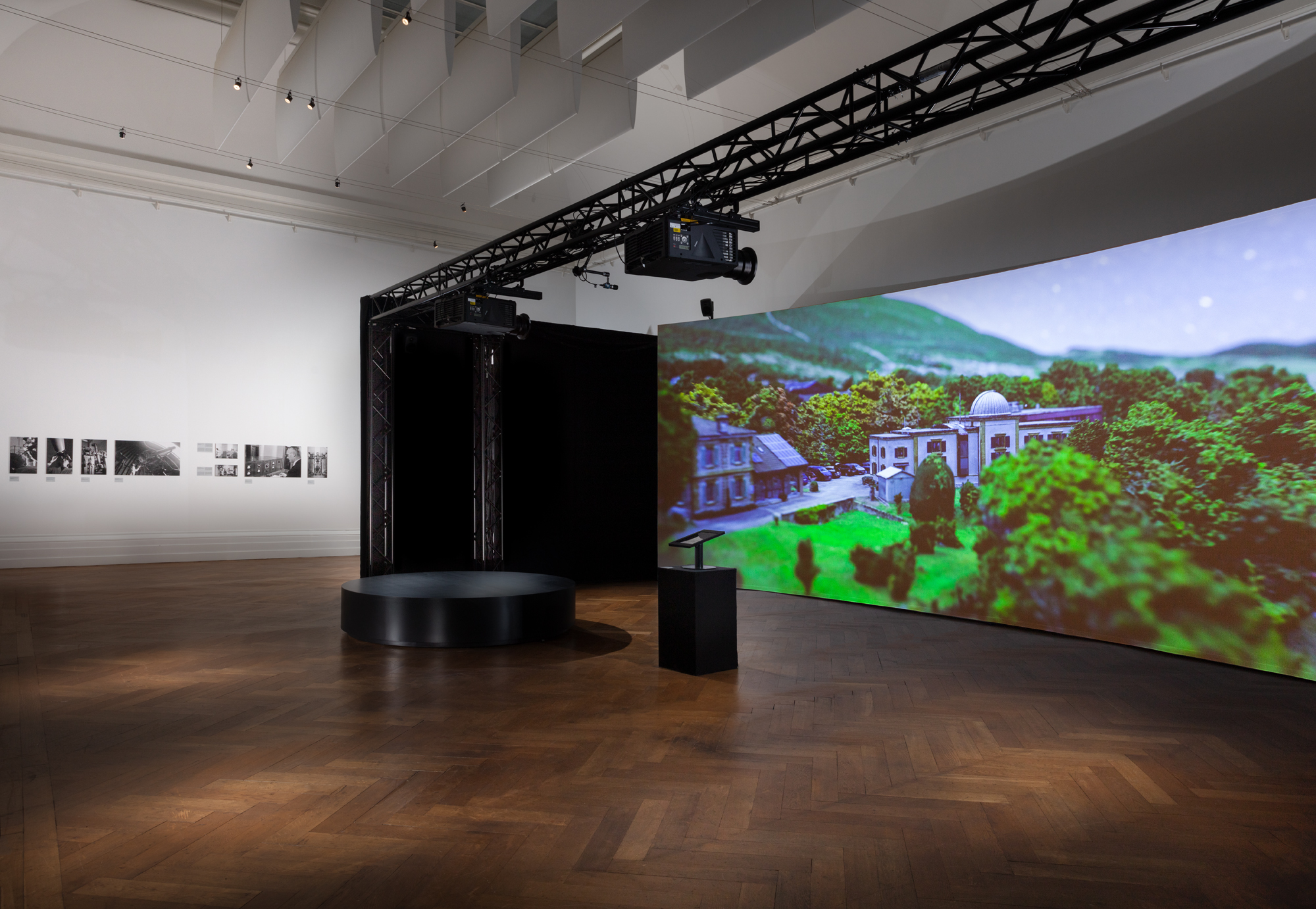
In Pursuit of Time is further enhanced with immersive installations and virtual content courtesy of EPFL's Laboratory for Experimental Museology (eM+). A dome screen offers an awe-inspiring view of the cosmos while a digital reconstruction allows visitors to explore the Neuchâtel Observatory. A sound installation reveals how time has gradually shaped and synchronised our everyday lives and a digital platform gives visitors the chance to have a virtual chat with Adolph Hirsch (1830–1901), the Observatory's founder and first director.
From Stars to Atoms… The Cantonal Observatory of Neuchâtel is a series of exhibitions and events initiated and led by the association Automates & Merveilles. It unfolds across three museums—the Museum of Art and History of Neuchâtel, the International Watchmaking Museum in La Chaux-de-Fonds, and the Watchmaking Museum of Le Locle – Château des Monts—as well as at the historic Observatory site in Neuchâtel. Each venue explores a facet of this story through a complementary journey.
The exhibition at the Museum of Art and History draws on the latest research conducted at the Institute of History and the Time-Frequency Laboratory (LTF) of the University of Neuchâtel, as part of projects supported by the Swiss National Science Foundation (SNSF) and the European Space Agency (ESA), as well as at the HE-Arc Conservation-Restoration University of Applied Sciences. It also benefits from a collaboration with the Experimental Museology Laboratory (eM+) of the Swiss Federal Institute of Technology in Lausanne (EPFL).